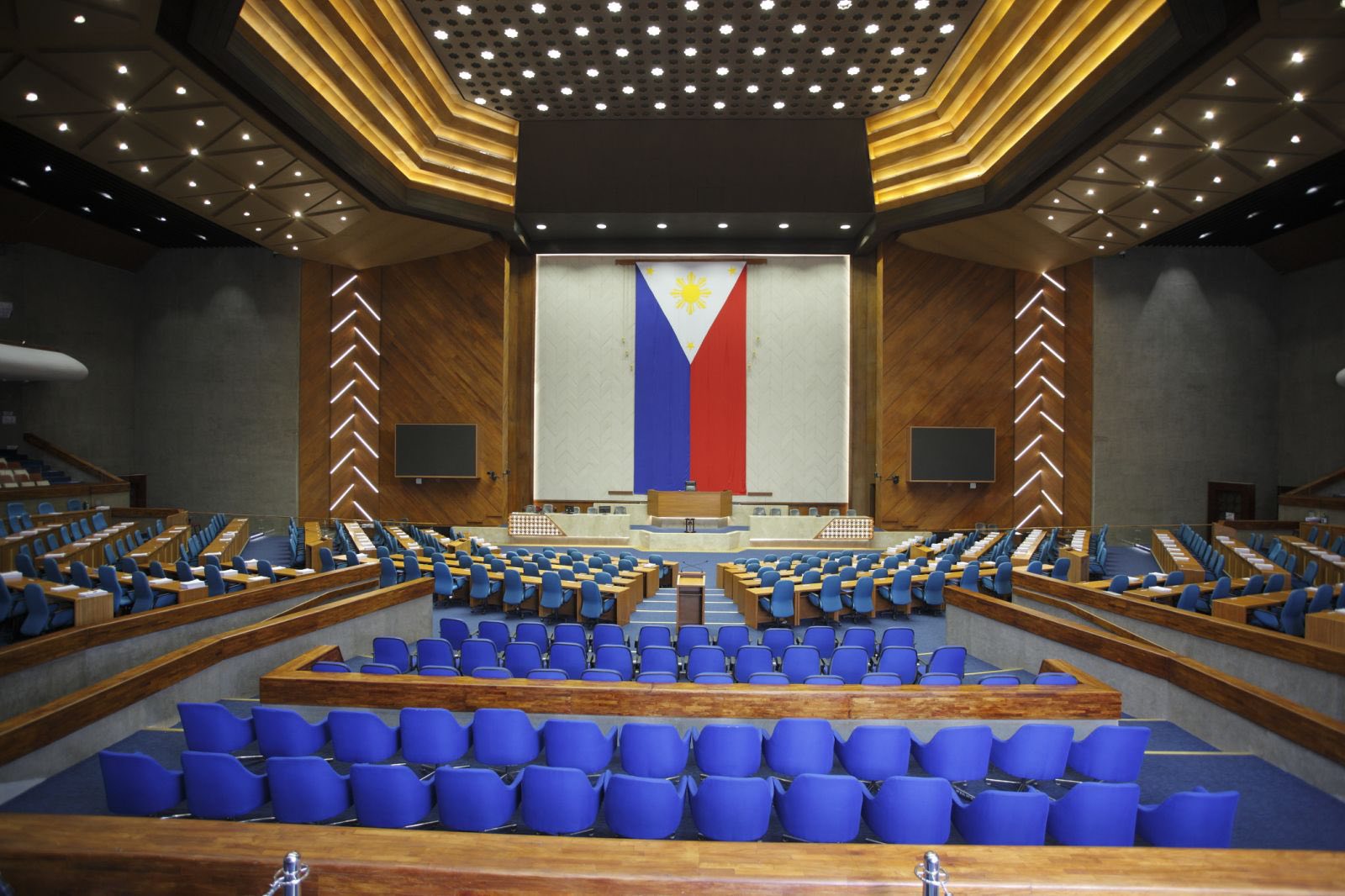


The PSHS-ZPRC is the 16th campus of the Philippine Science High School System.
The Philippine Senate has approved on third and final reading Senate Bill 2974, also known as the Expanded Philippine Science High School (PSHS) System Act.
The bill seeks to expand the reach of the Philippine Science High School (PSHS), commonly known as “Pisay,” by establishing additional campuses across the country and enhancing the system’s governance.
Recognized as a premier institution for science, technology, engineering and mathematics (STEM) education, Pisay plays a vital role in developing the country’s future scientists, innovators and leaders.
Under the proposed measure, up to two Pisay campuses may be established per region, with the exception of Metro Manila, which already hosts a larger, more developed campus.
The bill also addresses the Negros Island Region which currently does not have a PSHS campus.
Thousands of qualified students turned away
Senator Juan Miguel “Migz” Zubiri, co-sponsor of the measure, emphasized the urgent need to expand the PSHS system to accommodate thousands of qualified students who are turned away each year due to limited space in the existing 16 campuses.
“Since 2022, the Philippine Science High School system has turned away 5,807 qualified students,” Zubiri cited a report from the Second Congressional Commission on Education (EDCOM 2). “They met all the qualifications and they passed the notoriously difficult Pisay (PSHS) admission tests but were turned away because they have no room left.”
Currently, the law permits only one PSHS campus per administrative region, collectively serving around 10,600 students, Zubiri said. The proposed measure seeks to change this by allowing additional campuses within regions, particularly in underserved provinces, to improve geographic accessibility and expand opportunities for aspiring scholars.
Zubiri emphasized the measure ensures regional campuses will not be concentrated in the same provinces, helping further access to the PSHS system and give more students across different areas the opportunity to benefit from its high-quality education.
“After 15 years, we will again allow for the establishment of additional campuses, based on a comprehensive review of the educational demands in each region,” he added.
To maintain consistent standards and promote the holistic development of students, teachers and staff, the bill also seeks to unify all existing and future PSHS campuses under a single governance and management structure, ensuring efficient operations and sustained academic excellence.
Wider access to STEM education
EDCOM 2 co-Chairperson and Senator Win Gatchalian hailed the Senate’s third reading approval of the Expanded PSHS Bill which he co-authored and co-sponsored.
Gatchalian pointed out that the proposed measure will give more learners the opportunity to receive quality science, technology, engineering and math (STEM) education. According to EDCOM 2’s Year Two Report, qualified students were unable to study in the PSHS System over the past three years because of the lack of slots.
“Sa pagpapalawig natin ng PSHS System, maaabot natin ang mas maraming mag-aaral at mabibigyan natin sila ng pagkakataong makatanggap ng dekalidad na edukasyon pagdating sa STEM [By expanding the PSHS System, we can reach more students and give them the opportunity to receive quality education in STEM],” Gatchalian said.
The cost to build a new Pisay campus
Setting up a new PSHS campus on a five-hectare lot would require a budget of P300 million, according to PSHS System Executive Director Ronnalee Orteza during the Senate deliberations on the agency’s proposed 2025 budget in September 2024.
Orteza said the estimated cost covers the construction of academic buildings, basic science laboratories, administrative offices, dormitories, and essential provisions for both teaching and non-teaching personnel.
She emphasized the importance of dormitories in PSHS campuses, noting that 80% to 90% of students live on campus. “Dorm life helps reinforce good study habits among scholars and creates a focused learning environment,” Orteza added.