

Photo by EDCOM 2.
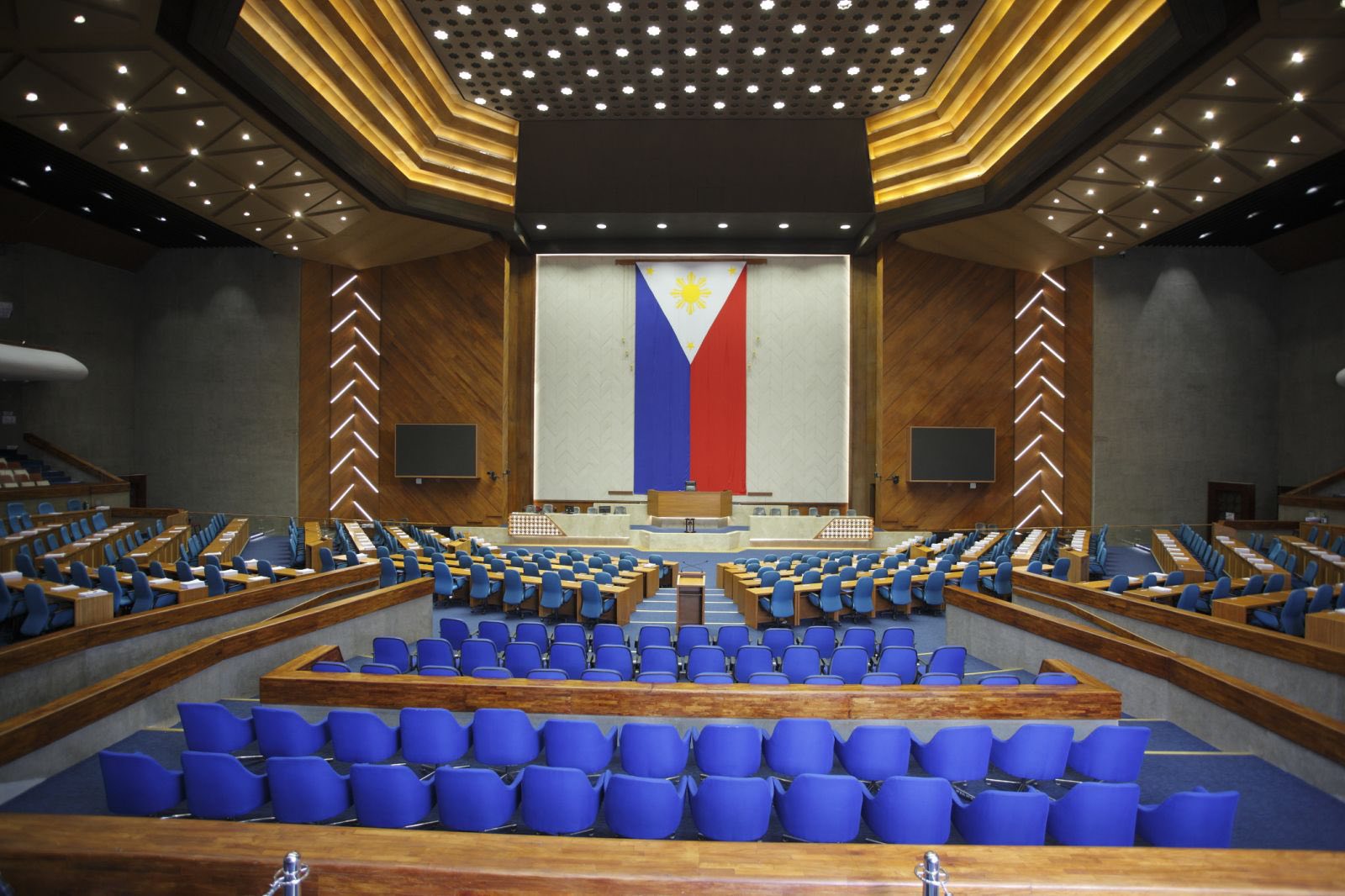
In a bid to enhance coordination and implementation of education policies nationwide, the Philippine Senate on Tuesday unanimously adopted a resolution urging President Ferdinand “Bongbong” Marcos Jr. to establish a dedicated Cabinet cluster for the education sector, June 3.
The Senate Concurrent Resolution 21, calls for the creation of a “high-level inter-agency body” to ensure the unified and efficient implementation of education laws, policies, reforms and regulations across all concerned executive agencies.
The resolution was authored by Second Congressional Commission on Education (EDCOM 2) senators Sherwin Gatchalian, Alan Peter Cayetano, Koko Pimentel III, Joel Villanueva and Loren Legarda.
“The lack of a unified approach has often led to fragmented policies, duplication of efforts and missed opportunities for synergy among our education agency,” said Gatchalian. “It is in this context that the creation of a cabinet cluster for education becomes crucial,” he said.
Gatchalian, who is also EDCOM 2 co-chairperson, emphasized that while education is a vital driver of change across the country, meaningful progress can only be achieved through a clear and unified plan—one that the proposed education cluster is intended to deliver.
Legarda, in her co-sponsorship speech, highlighted that the resolution promotes accountability by aligning efforts and making agencies jointly responsible for outcomes, thereby ensuring that every centavo spent directly benefits the country’s learners.
“But beyond realignment, this also affirms that education is not merely a sectoral issue, it is the foundation of national development and social equity,” Legard said. “When systems remain fragmented, the burden of inefficiency falls heaviest on those who can least afford it—the poorest, the most underserved, and the most vulnerable.”
The push for a dedicated education cluster is rooted in findings from EDCOM 2’s Year One report, which revealed that the lack of a central coordinating body has resulted in fragmented efforts, overlapping responsibilities, and significant gaps in key areas such as teacher training, early childhood education and the rollout of Senior High School and ladderized programs.
Who will lead the cluster?
The proposed Cabinet Cluster is set to be co-chaired by the heads of DepEd, Commission on Higher Education (CHED) and Technical Education and Skills Development Authority (TESDA), reflecting a collaborative approach to education governance.
It will also bring together other key agencies—including DOLE, DOST, DBM and PRC—to ensure that education policies are aligned with labor market needs, scientific advancement, fiscal priorities, and professional standards, promoting a more integrated and responsive education system.
What will they do?
The core mandate of the proposed Cabinet Cluster will center on overseeing the full rollout of the National Education and Workforce Development Plan currently being crafted by EDCOM 2. It aims to ensure system-wide alignment in goals, strategies, and budget allocations across all education agencies.
Additionally, the cluster will lead crucial initiatives such as data harmonization and capacity building to drive sustained, long-term reforms—especially in response to the learning crisis identified in EDCOM 2’s recent findings.
Supporters of the initiative
The initiative has gained broad support from key education agencies, with DepEd, CHED, TESDA, DBM, DOLE and DOST backing the cluster’s potential to improve alignment and direct resources toward common national education goals.
Among the supporters is Senator Joel Villanueva, EDCOM 2 commissioner and former TESDA secretary, who emphasized that the proposed cluster will strengthen collaboration and foster stronger ties between DepEd, TESDA and CHED.
“Drawing from my experience as former TESDA Secretary, I have seen firsthand how the actions of one agency can impact the entire education system,” Villanueva said.
In his co-sponsorship speech, he noted that recent legislative efforts, such as the PQF, EBET, ETEEAP and the ongoing advocacy for the Lifelong Learning Framework Bill, demonstrate the need for agencies to not only foster goodwill but also share information, resources, and capabilities. He emphasized that, with the growing influence of Artificial Intelligence on both education and the job market, these agencies must work collaboratively rather than in isolation.
Senator Cayetano, also an EDCOM 2 co-chairperson, expressed the same sentiments, emphasizing that “without coordination, our education system will keep struggling with fragmented leadership and disconnected reforms.”
With the Senate’s unanimous adoption of the resolution—following its earlier approval by the House of Representatives last August 2024—the legislative process is now complete, marking a significant step forward in establishing the proposed education cluster advocated by EDCOM 2.
EDCOM 2 is the Congressional body created through RA11899, tasked to undertake a comprehensive national assessment and evaluation of the performance of the Philippine education sector.